

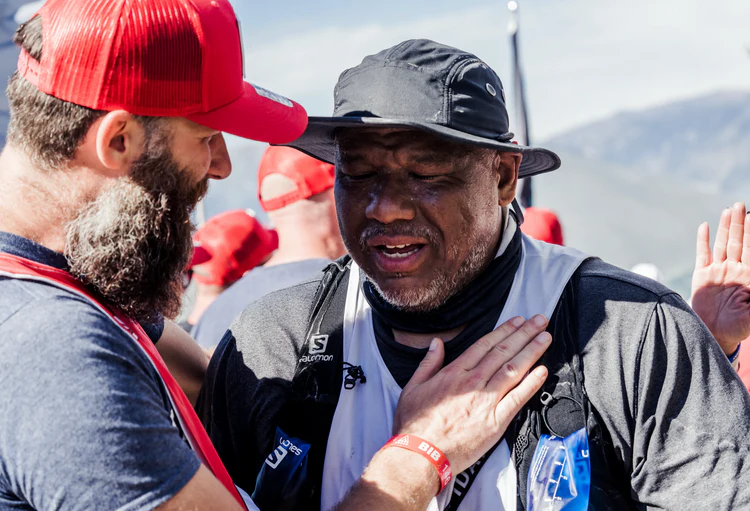
Running 26.2 miles is hard anywhere. Doing it at 5,280 feet — or higher — is a different challenge entirely. Colorado’s Front Range is a mecca for marathons, half marathons, trail races, and charity runs, and every one of them puts athletes under the combined stress of exertion, altitude, and fast-changing weather. That’s exactly why high-altitude races need dedicated medical teams.
Event Medical Staffing provides EMTs, paramedics, and medical tents for races across Colorado. Here’s why altitude changes race-day medicine and how the right coverage protects your runners.
Why is altitude so demanding for endurance athletes?
At elevation, the air holds less oxygen, so the body works harder to do the same amount of work. For runners pushing their limits, that means:
- Faster dehydration from dry air and heavy breathing
- Earlier fatigue and reduced performance as oxygen delivery drops
- Higher cardiac strain, a serious concern for any field of hundreds or thousands of runners
- Altitude sickness in athletes who traveled in from lower elevations to compete
Even well-trained runners can go from strong to struggling quickly when altitude, heat, and distance stack up.
What medical risks do EMTs see at Colorado races?
Across the finish lines and aid stations we cover, the most common issues are dehydration and heat illness, cramping and musculoskeletal injuries, fainting at or after the finish, and — less often but most critically — cardiac events. The last category is why AEDs and trained medics on course are non-negotiable: in sudden cardiac arrest, survival is measured in minutes.
What does strong race medical coverage look like?
- A staffed medical tent at the start/finish for triage and treatment
- Course and aid-station coverage so help is never far from a struggling runner
- Oxygen and AEDs positioned where they’re most likely to be needed
- EMTs, AEMTs, and paramedics who can escalate from first aid to advanced care
- Coordination with local EMS for anyone who needs transport
See how our crews staff and equip events on our EMT services page.
How should race directors plan medical coverage?
Match coverage to the size of your field, the length and elevation of the course, and the time of year. A 5K in a city park and a mountain trail marathon need very different plans. Build in water and cooling, communicate hydration and altitude guidance to out-of-state runners, and book your medical team early so you lock in coverage for race day.
Protect your runners and your event
A race is only as good as its worst moment. High-altitude endurance events put real stress on the human body, and a professional medical team is what keeps a tough day from becoming a tragic one. If you’re directing a race anywhere on the Front Range, make dedicated medical coverage part of the plan.